

Embark on the journey of becoming a certified personal trainer in Florida and explore the differences between working full-time and part-time in this dynamic field.
Delve into the specific requirements for certification, salary comparisons, job opportunities, and growth prospects to gain a comprehensive understanding of this rewarding career path.
Full-Time vs. Part-Time Personal Training in Florida
Working as a personal trainer in Florida can be a rewarding career choice, but deciding between full-time and part-time roles can significantly impact your schedule and income. Let’s explore the differences between these two options.
Advantages and Disadvantages of Full-Time Personal Training
- Advantages:
- Steady income and benefits
- Opportunity for career growth and advancement
- Ability to work with a diverse range of clients
- Disadvantages:
- Potentially long work hours
- Increased competition in the market
- Pressure to meet sales targets
Advantages and Disadvantages of Part-Time Personal Training
- Advantages:
- Flexible schedule
- Ability to pursue other interests or education simultaneously
- Less pressure compared to full-time roles
- Disadvantages:
- Lower overall income compared to full-time roles
- Lack of benefits typically offered to full-time employees
- Difficulty in building a consistent client base
Typical Work Hours and Schedules
When it comes to full-time personal training in Florida, trainers often work around 40 hours per week, including evenings and weekends to accommodate clients’ schedules. On the other hand, part-time trainers have more flexibility and can choose to work fewer hours, usually on evenings and weekends to cater to clients’ availability.
Certification Requirements for Personal Trainers in Florida
To become a certified personal trainer in Florida, there are specific certifications that you need to obtain. These certifications are essential to ensure that you have the necessary knowledge and skills to work as a professional in the field of personal training.
Certifications Needed
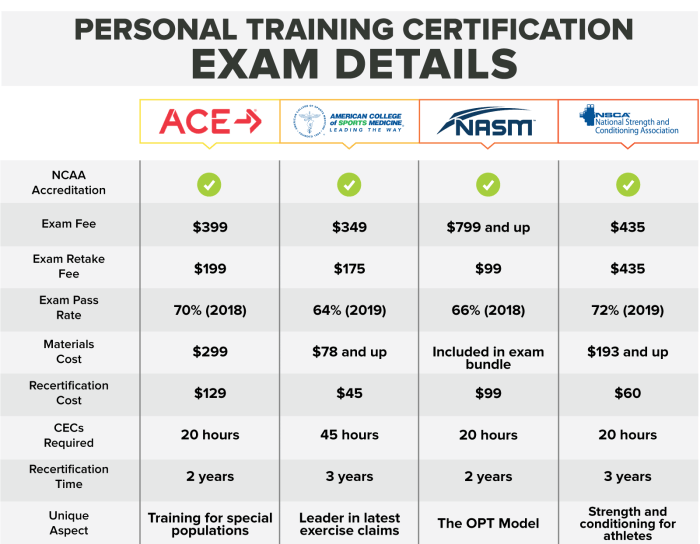
In Florida, the primary certification needed to become a personal trainer is the Certified Personal Trainer (CPT) certification. This certification is offered by accredited organizations such as the National Academy of Sports Medicine (NASM), the American Council on Exercise (ACE), and the National Strength and Conditioning Association (NSCA).
Process and Costs
To obtain the CPT certification, you will need to complete a training program that covers topics such as anatomy, physiology, nutrition, and exercise science. The cost of these programs varies depending on the organization you choose, but it typically ranges from $500 to $1,500.
Additionally, you will need to pass a certification exam to become a certified personal trainer.
Accredited Organizations
In Florida, the certifications offered by NASM, ACE, and NSCA are widely recognized and accepted in the fitness industry. These organizations have rigorous training programs and certification exams that ensure you are well-equipped to work as a personal trainer. By obtaining a certification from one of these accredited organizations, you can demonstrate your commitment to professionalism and excellence in the field of personal training.
Salary Comparison
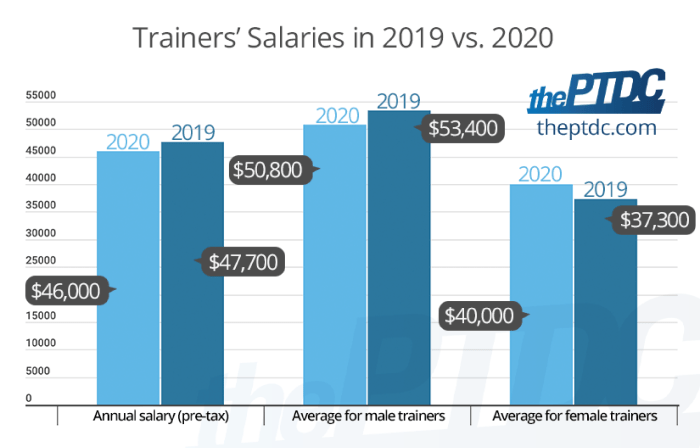
In the field of personal training, the difference between working full-time and part-time can have a significant impact on earnings. Let’s take a closer look at the salary comparison for full-time versus part-time personal trainers in Florida.
Average Salary Range for Full-Time Personal Trainers
Full-time personal trainers in Florida typically earn an average salary ranging from $40,000 to $60,000 per year. This salary range can vary depending on factors such as experience, specialization, location, and the number of clients served. Trainers working full-time often have a more stable income compared to part-time trainers.
Average Earnings of Part-Time Personal Trainers
Part-time personal trainers in Florida generally earn an average of $20,000 to $40,000 per year. Part-time trainers may have fewer clients and work hours, leading to a lower overall income compared to full-time trainers. However, part-time work can offer flexibility and the opportunity to supplement income from other sources.
Factors Influencing Salary Discrepancy
Several factors can influence the salary difference between full-time and part-time personal trainers. These include the number of hours worked, client base, experience level, certifications, and demand for services. Full-time trainers often have the potential to earn more due to a higher volume of clients and more consistent work hours.
On the other hand, part-time trainers may prioritize flexibility over higher earnings, leading to a difference in annual income.
Job Opportunities and Growth Prospects for Personal Trainers in Florida
In Florida, the job market for personal trainers is expected to grow steadily due to the increasing emphasis on health and fitness. As more people become health-conscious and seek professional guidance to achieve their fitness goals, the demand for personal trainers is on the rise.
Industries or Sectors with High Demand
- Fitness Centers and Gyms: Large fitness chains and local gyms are always in need of qualified personal trainers to cater to their clients’ needs.
- Corporate Wellness Programs: Many companies are investing in employee wellness programs, creating opportunities for personal trainers to work with employees on fitness and health goals.
- Senior Fitness: With an aging population, there is a growing demand for personal trainers who specialize in working with older adults to improve their strength, flexibility, and overall well-being.
Career Advancement Opportunities
- Specialized Certifications: Pursuing advanced certifications in areas such as nutrition, sports conditioning, or injury prevention can open up new opportunities for personal trainers.
- Private Practice: Some personal trainers choose to start their own private training business, allowing them to set their own hours and rates.
- Management Roles: Experienced personal trainers may transition into management positions at fitness centers or gyms, overseeing a team of trainers and operations.
Final Review
As we conclude our discussion on becoming a certified personal trainer in Florida, remember that the path you choose—whether full-time or part-time—offers unique advantages and challenges. Take the first step towards your dream career armed with valuable insights and knowledge.
FAQ Overview
What are the typical work hours for full-time personal trainers in Florida?
Full-time personal trainers in Florida often work around 40 hours per week, with flexibility in scheduling based on client needs.
Which certifications are recognized for personal trainers in Florida?
Popular certifications recognized in Florida include NASM, ACE, and ACSM among others.
What factors contribute to the salary differences between full-time and part-time personal trainers?
Factors such as experience, client base, location, and additional certifications can influence the salary gap between full-time and part-time trainers.