

Delving into the world of F1 Qualifying Results, this piece uncovers the hidden gem of track evolution and its crucial role in determining pole position. Get ready to explore the dynamic relationship between track changes and qualifying outcomes in the high-octane world of Formula 1.
Exploring how F1 tracks have transformed over time and the impact these changes have on the nail-biting qualifying sessions awaits you.
Track Evolution in F1
F1 tracks have seen significant evolution over the years, with changes made to enhance safety, improve racing, and increase the overall spectacle of the sport. These changes can have a direct impact on qualifying sessions, as drivers need to quickly adapt to new track conditions and configurations.
Impact of Track Changes on Qualifying Sessions
Track changes, such as resurfacing, alterations to corners, or the addition of new features, can significantly affect how cars perform during qualifying. For example, a smoother track surface may provide more grip, allowing cars to go faster, while a tighter corner can lead to slower lap times. Drivers and teams must quickly analyze these changes and adjust their setups to optimize performance.
- Changes to corner cambers or widths can alter the racing line and braking points, affecting lap times.
- New asphalt can provide more grip, leading to faster lap times but also requiring adjustments to tire strategies.
- Changes to track elevation or kerbs can impact how cars handle certain sections, influencing overall lap times.
Monitoring track evolution through data analytics and simulations allows teams to make informed decisions on setup changes for qualifying sessions.
The Importance of Track Conditions
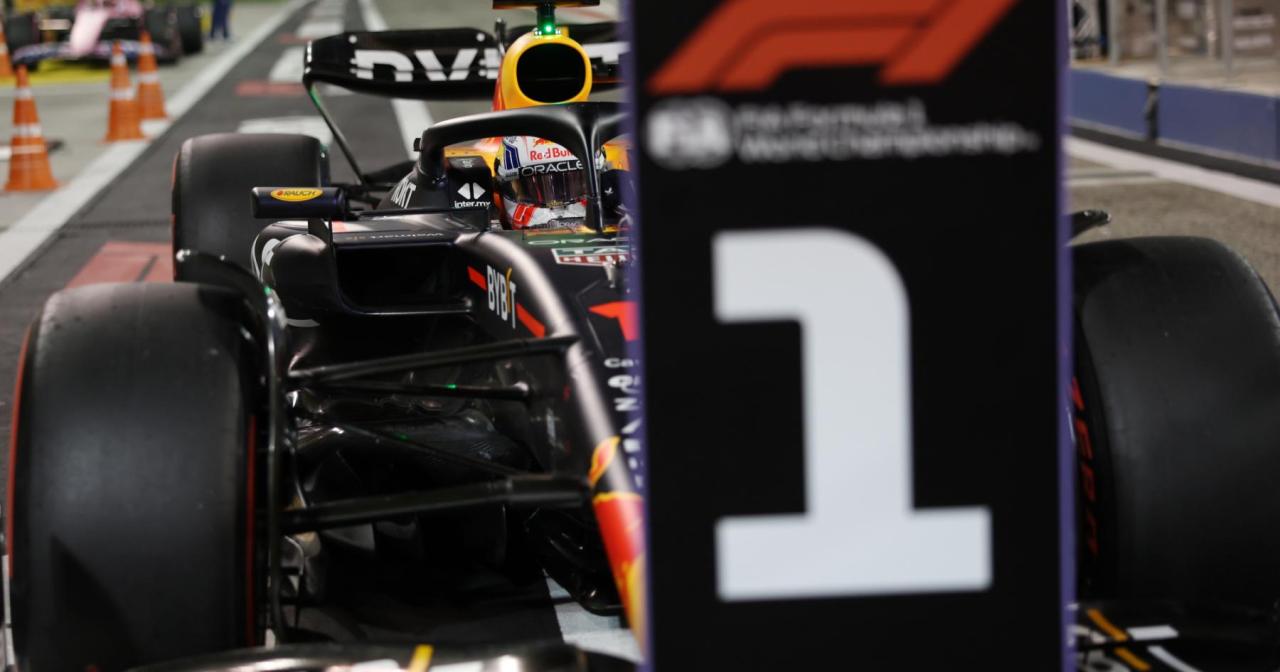
Track conditions play a crucial role in determining pole position results in Formula 1. The surface grip, temperature, and weather can significantly impact a driver’s performance during qualifying sessions.
Influence of Track Conditions on Pole Position
The grip level of the track is vital for achieving optimal lap times. A rubbered-in track with high grip levels allows drivers to push their cars to the limit, resulting in faster lap times. Conversely, a dirty or wet track can decrease grip, making it challenging for drivers to extract maximum performance from their cars.
- Teams closely monitor track temperatures to adjust tire pressures and compounds accordingly. Warmer tracks require different tire setups compared to cooler conditions, affecting overall performance.
- Wet weather conditions pose a unique challenge during qualifying sessions. Teams must quickly adapt to changing track conditions, choosing the right tires and setup to navigate the slippery surface efficiently.
- Tracks with high degradation levels demand strategic driving and pit stop planning to maintain competitive lap times throughout the session.
Significance of Track Conditions Across F1 Circuits
Different circuits present varying challenges in terms of track conditions. For example, street circuits like Monaco have low grip levels due to the lack of rubber on the track, requiring precise driving to secure pole position. On the other hand, high-speed tracks like Monza demand aerodynamic efficiency to maximize straight-line speed, influenced by wind direction and track temperature.
- Tracks with abrasive surfaces can cause excessive tire wear, affecting lap times and pit stop strategies.
- Elevation changes and varying corner types add complexity to track conditions, testing drivers’ skills and teams’ setup choices.
- Night races introduce different lighting conditions, affecting visibility and driver focus during qualifying sessions.
Adapting to Varying Track Conditions During Qualifying
Teams rely on real-time data and feedback from drivers to make quick decisions on setup changes during qualifying sessions. Adjusting aerodynamic configurations, tire pressures, and suspension settings based on evolving track conditions can give a competitive edge in securing pole position.
- Simulation tools and predictive analytics help teams anticipate track evolution and plan strategy adjustments before qualifying sessions begin.
- Driver skill and adaptability play a crucial role in maximizing performance under changing track conditions, requiring precise control and quick decision-making on the track.
- Striking the right balance between car setup and driver performance is key to navigating unpredictable track conditions and securing a strong starting position on the grid.
Strategy and Timing
In Formula 1 qualifying sessions, timing is crucial and plays a significant role in determining a team’s success in securing pole position. Teams need to strategize their runs carefully based on the evolving track conditions to maximize their performance.
Strategic Planning
Teams meticulously plan their runs during qualifying based on the track evolution. They analyze data from practice sessions to understand how the track surface is changing and adjust their strategy accordingly. This involves deciding the optimal time to go out on track to benefit from the improving conditions.
- Teams often aim to time their runs towards the end of the session when the track is at its fastest due to rubber being laid down and the surface grip increasing.
- By waiting for the right moment, teams can take advantage of the optimal track conditions to set their fastest lap times and secure a better grid position.
- Strategic decisions such as tire choice and fuel load also come into play, as teams aim to find the right balance between performance and track conditions.
Successful Strategies
Some successful strategies based on track conditions include instances where teams opted for a late run in the session when the track had rubbered in, allowing them to extract maximum performance from their cars. One notable example is Mercedes’ strategic decision at the 2020 Hungarian Grand Prix, where Lewis Hamilton secured pole position by setting a blistering lap time towards the end of the session when track conditions were optimal.
Overall, strategic timing in F1 qualifying is a delicate balance between understanding track evolution, analyzing data, and making the right decisions to capitalize on the evolving conditions and secure the best possible grid position.
Driver Adaptability
Adaptability is a key trait that separates the best drivers in Formula 1 from the rest. In the context of qualifying sessions, the ability of drivers to adjust their driving style to changing track conditions can make a significant difference in securing pole position.
Impact of Driver Adaptability on Securing Pole Position
- Drivers who can quickly adapt to changes in track conditions, such as temperature, grip levels, and tire wear, have a better chance of setting faster lap times during qualifying.
- Adapting to a wet track, for example, requires a different driving technique compared to a dry track. Drivers who can switch seamlessly between these different styles can gain an advantage over their competitors.
- Driver adaptability also comes into play when unexpected weather changes occur during a qualifying session. Those who can make quick decisions and adjust their driving accordingly are more likely to come out on top.
Instances of Driver Adaptability in Qualifying Results
- Lewis Hamilton’s ability to adapt to changing track conditions has been evident in several qualifying sessions where he managed to secure pole position despite challenging circumstances.
- Sebastian Vettel’s performance in changing weather conditions during qualifying at the Canadian Grand Prix in 2019 showcased his adaptability, allowing him to clinch pole position.
- Ayrton Senna’s legendary qualifying laps in the rain, such as his pole position at the 1988 Monaco Grand Prix, highlight the importance of driver adaptability in achieving success.
Epilogue
As we wrap up our journey through F1 Qualifying Results and the significance of track evolution, the secret to claiming pole position becomes clearer. The blend of strategy, driver adaptability, and the ever-changing track conditions truly defines the heart-pounding excitement of Formula 1.
Common Queries
How do track conditions impact pole position results?
Track conditions play a vital role as they affect the grip levels of the track, influencing how fast cars can go and how they handle corners, ultimately impacting the final qualifying results.
What is the strategic aspect of timing in F1 qualifying sessions?
Timing is crucial in F1 qualifying as teams strive to set their fastest laps when track conditions are optimal, and the grip levels are at their peak, to secure a favorable starting position on the grid.
How do drivers adjust their driving style to changing track conditions?
Drivers adapt by altering their braking points, cornering speeds, and overall approach to the track based on the evolving conditions, showcasing their skill and experience in navigating varied terrains.