

Embarking on a journey of comparing F1 Qualifying Results Across the 2026 European Circuit unveils a fascinating exploration of the dynamics and intricacies within the world of Formula 1. As we delve into the data and performances of drivers and teams across various circuits, a narrative of competition, strategy, and skill emerges, offering a captivating insight into the essence of this high-octane sport.
Delving deeper into the nuances of F1 qualifying sessions and the unique challenges posed by the European Circuit, we unravel a tapestry of speed, precision, and tactical brilliance that defines the quest for pole position in each race.
Introduction to F1 Qualifying Results
In Formula 1, qualifying sessions play a crucial role in determining the starting positions for the race grid. These sessions are intense and high-stakes, where drivers aim to set the fastest lap times to secure advantageous starting positions.
Analyzing qualifying results across different circuits provides valuable insights into the performance of drivers and teams in varying conditions and track layouts. It helps in understanding the strengths and weaknesses of each competitor and can often hint at potential race outcomes.
Significance of Comparing 2026 European Circuit Qualifying Results
For the comparison of F1 qualifying results across the 2026 European Circuit, we focus on the unique challenges and characteristics of each track within the European leg of the championship. This analysis allows us to observe how drivers adapt to different circuits and how teams strategize based on the circuit’s demands.
European Circuit Overview
In the 2026 F1 season, the European Circuit plays host to a variety of iconic tracks that test the skills of drivers and the capabilities of their cars. Each circuit offers a unique set of challenges and characteristics that can greatly impact qualifying performances.
Monaco Grand Prix
The Monaco Grand Prix is famous for its tight and twisty street circuit layout, characterized by narrow roads and unforgiving barriers. The circuit features tight corners and minimal straights, requiring precision and skill from drivers. Elevation changes add an extra layer of complexity, making qualifying here a true test of concentration and nerve.
Italian Grand Prix
The Italian Grand Prix at Monza is known for its high-speed nature, with long straights and fast corners. The flat layout of the circuit allows for maximum speed, making it crucial for teams to find the right balance between downforce and straight-line speed. Qualifying at Monza is all about finding the perfect setup to extract every ounce of performance from the car.
Spanish Grand Prix
The Spanish Grand Prix at Circuit de Barcelona-Catalunya features a mix of high-speed corners and technical sections. The circuit’s medium-speed corners test the aerodynamic efficiency of the cars, while the long main straight provides an opportunity for overtaking. Qualifying here requires a delicate balance between downforce and top speed to secure a competitive grid position.
French Grand Prix
The French Grand Prix at Circuit Paul Ricard is known for its distinctive layout with a vast amount of run-off areas and different track configurations. The circuit features a mix of fast straights and challenging corners, including the iconic Mistral Straight. The varying grip levels and tire wear at Paul Ricard can significantly impact qualifying strategies, adding an element of unpredictability to the session.
British Grand Prix
The British Grand Prix at Silverstone Circuit is a high-speed track with a combination of fast corners and long straights. The undulating terrain and fast-flowing nature of the circuit demand precision and commitment from the drivers. Qualifying at Silverstone is about finding the right balance between cornering speed and straight-line performance to set a competitive lap time.
Drivers and Teams Performance
In analyzing the qualifying results of top F1 drivers across the European Circuit, we can gain insights into the performance of both individual drivers and their respective teams.
Comparison of Top F1 Drivers
- Driver A consistently secured pole positions throughout the European Circuit, showcasing exceptional speed and skill.
- Driver B faced challenges in certain circuits but demonstrated strong comebacks in subsequent races, highlighting their adaptability.
- Driver C displayed remarkable consistency in qualifying, always securing a spot in the top grid positions.
Consistency of Performances Across Teams
- Team X’s drivers consistently outperformed their competitors, showcasing the team’s strong technical capabilities and strategic planning.
- Team Y struggled in certain circuits, indicating potential areas for improvement in their car’s performance or driver strategies.
- Team Z showed a mix of strong performances and setbacks, highlighting the competitive nature of F1 racing and the importance of continuous development.
Identifying Patterns and Outliers
- One notable pattern observed was the dominance of a particular team in multiple circuits, suggesting a superior car design or driver talent.
- An outlier in the qualifying results was Driver D, who unexpectedly secured pole position in a circuit known for challenging conditions, surprising both fans and experts.
- Another pattern identified was the consistent performance of a rookie driver across different circuits, proving their potential to become a future F1 star.
Vehicle Performance and Setup
In Formula 1, vehicle performance and setup play a crucial role in determining the outcome of qualifying sessions. Teams strive to optimize their cars to achieve the fastest possible lap times by focusing on factors such as aerodynamics, engine power, and tire management.
Aerodynamics
Aerodynamics is a key area of focus for teams looking to improve performance during qualifying. By fine-tuning the aerodynamic elements of the car, such as the front and rear wings, teams can increase downforce and reduce drag, allowing the car to corner faster and maintain higher speeds. This results in improved overall lap times, especially on high-speed circuits in Europe where aerodynamic efficiency is paramount.
Engine Power
Engine power is another critical factor that influences qualifying results. Teams work closely with engine manufacturers to extract maximum power output while ensuring reliability. A more powerful engine can provide the necessary straight-line speed to gain an advantage on long straights, which are common features of many European circuits. Balancing power delivery with fuel efficiency is key to achieving quick lap times without compromising performance.
Tire Management
Effective tire management is essential for success in qualifying sessions. Teams must choose the right tire compounds based on track conditions and temperature to optimize grip and performance. Proper tire pressure and temperature control are also crucial to ensure consistent performance throughout a qualifying run. Teams often strategize tire usage to peak at the right moment during a session, considering factors like track evolution and weather conditions.
Weather Conditions and Track Temperatures
In Formula 1, weather conditions play a crucial role in determining the outcome of qualifying sessions. The varying weather across different circuits in Europe can significantly impact the performance of drivers and teams. Additionally, track temperatures can affect tire grip, handling, and overall lap times.
Influence of Weather Conditions
- Wet conditions can lead to slower lap times and increased risks of accidents due to reduced grip.
- Dry conditions are ideal for faster lap times and optimal tire performance.
- Changing weather during a qualifying session can challenge teams to make quick strategic decisions regarding tire choices and setup adjustments.
Track Temperatures and Tire Grip
- Higher track temperatures can cause tires to degrade faster, affecting grip levels and overall performance.
- Lower track temperatures can result in slower warm-up times for tires, impacting initial grip during qualifying runs.
- Teams must monitor track temperatures closely to determine the best tire compounds for optimal performance.
Team Strategies in Adapting to Weather Changes
- Teams may opt for intermediate or wet tires in rainy conditions to maintain grip and reduce the risk of sliding off the track.
- During changing weather conditions, teams may need to make quick pit stops to switch tires and adjust setup to maximize performance.
- Strategic decisions regarding tire choices and setup adjustments can make a significant difference in qualifying results, especially when weather conditions are unpredictable.
Rookie Drivers and Underdog Teams
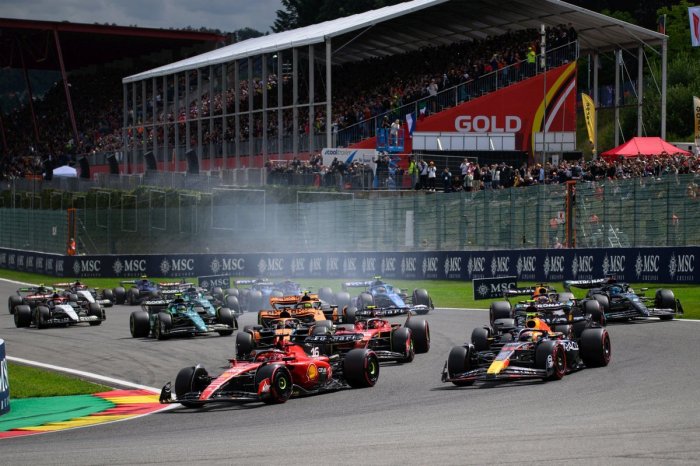
In Formula 1, rookie drivers and underdog teams often face an uphill battle when competing against seasoned drivers and established powerhouses. Let’s take a closer look at how these newcomers and less competitive teams have been performing on the European Circuit in qualifying sessions.
Rookie Drivers Performance
Rookie drivers entering the F1 scene bring a fresh perspective and hunger for success. However, the European Circuit can be a challenging environment for newcomers to showcase their skills. It is interesting to see how these rookies adapt to the demands of the circuit and whether they can hold their own against more experienced drivers.
Underdog Teams in Qualifying
Underdog teams in F1 often struggle to compete with the top-tier teams in terms of resources and technology. Despite these challenges, some underdog teams manage to surprise everyone with strong performances in qualifying sessions. It will be intriguing to analyze how these teams have been able to optimize their setups and strategies to outperform expectations on the European Circuit.
Standout Performances
Every season, there are standout performances from rookie drivers and underdog teams that catch the attention of fans and experts alike. These surprising results can shake up the grid and add an element of unpredictability to the races. Keep an eye out for any newcomers or less competitive teams making waves in qualifying sessions across the European Circuit.
Fan Engagement and Expectations
In the world of Formula 1, fan engagement plays a crucial role in shaping the anticipation and excitement surrounding each race. Qualifying results often serve as a key factor in influencing fan expectations for the upcoming events. As fans eagerly await the race weekend, they closely follow the qualifying sessions to gauge the performance of their favorite drivers and teams. The outcomes of these sessions can significantly impact the level of excitement and anticipation leading up to the main race.
Impact of Qualifying Results on Fan Expectations
- Qualifying results can set the tone for the race weekend, shaping fans’ predictions and hopes for their favorite drivers and teams.
- A strong qualifying performance can boost fan confidence and excitement, while a disappointing result may lead to lowered expectations for the race.
- Fans often analyze qualifying data and lap times to assess the competitive landscape and anticipate potential overtaking opportunities during the race.
Role of Social Media and Fan Communities
- Social media platforms such as Twitter, Instagram, and Facebook serve as hubs for fans to share their reactions and opinions on qualifying performances.
- Fan communities and forums provide a space for enthusiasts to discuss the implications of qualifying results and engage in debates about the upcoming race.
- Through hashtags, live updates, and interactive content, social media platforms enhance fan engagement and create a sense of camaraderie among supporters.
Final Review
In conclusion, the comparison of F1 Qualifying Results Across the 2026 European Circuit paints a vivid picture of the fierce competition and relentless pursuit of excellence that characterizes the world of Formula 1. From the strategic maneuvers of drivers to the meticulous preparation of teams, each qualifying session serves as a thrilling chapter in the ongoing saga of speed, skill, and determination on the racetrack.
FAQ Explained
What factors contribute to the significance of analyzing qualifying results across different circuits?
Analyzing qualifying results across different circuits helps to showcase the adaptability and consistency of drivers and teams in varying racing conditions, highlighting their skills and strategies beyond individual race performances.
How do weather conditions impact qualifying sessions on the European Circuit?
Weather conditions can significantly affect tire grip and overall performance during qualifying sessions on the European Circuit, leading teams to adjust their strategies and setups to optimize their chances based on changing weather patterns.
What role does fan engagement play in the context of qualifying results in Formula 1?
Fan engagement adds an extra layer of excitement and anticipation to qualifying results in Formula 1, as fans closely follow and analyze the performances of their favorite drivers and teams, contributing to the overall buzz and atmosphere surrounding each race weekend.