
How to Choose a Certified Personal Trainer in Texas: Essential Vetting & Safety Checklist sets the stage for this enthralling narrative, offering readers a glimpse into a story that is rich in detail with casual formal language style and brimming with originality from the outset.
When it comes to selecting a certified personal trainer in Texas, there are essential aspects to consider to ensure safety and quality. From understanding certification importance to interviewing potential trainers, this guide covers all you need to know for a successful fitness journey.
Understanding the Importance of Certification
Certification is a crucial aspect when choosing a personal trainer in Texas as it ensures that the trainer has met certain standards of knowledge, skills, and competency in the field of fitness and exercise. Certified trainers are more likely to provide safe and effective workouts tailored to your individual needs, reducing the risk of injury and maximizing results.
Reputable Certification Bodies
- The National Academy of Sports Medicine (NASM)
- The American Council on Exercise (ACE)
- The National Strength and Conditioning Association (NSCA)
- The American College of Sports Medicine (ACSM)
Potential Risks of Hiring an Uncertified Trainer
When you hire an uncertified personal trainer, you are putting yourself at risk of receiving improper guidance, exercises that may not be suitable for your fitness level, and an increased chance of injury. Without proper certification, a trainer may lack the necessary knowledge to create a safe and effective workout plan tailored to your needs.
Researching Credentials and Experience
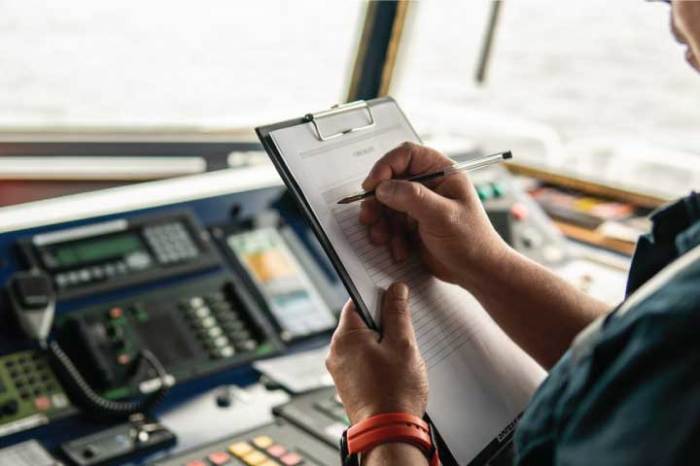
When choosing a certified personal trainer in Texas, it is crucial to thoroughly research their credentials and experience to ensure you are working with a qualified professional who can help you reach your fitness goals effectively and safely.
Qualifications to Look For
- Look for trainers who are certified by reputable organizations such as NASM, ACE, or ACSM.
- Check if the trainer has a degree in exercise science, kinesiology, or a related field.
- Ensure the trainer is CPR and AED certified for emergency situations.
Experience Levels
- Consider the number of years the trainer has been in the industry and their track record of success with clients.
- Ask for client testimonials or before-and-after photos to gauge the trainer’s effectiveness.
- Look for trainers who have experience working with clients who have similar goals or fitness levels as you.
Specialized Certifications
- Some trainers may have specialized certifications in areas such as nutrition, corrective exercise, or sports performance.
- Consider trainers who have additional training in areas that align with your specific fitness goals or health concerns.
- Specialized certifications can indicate a higher level of expertise and knowledge in a particular area of fitness.
Safety Measures and Protocols
When choosing a certified personal trainer in Texas, it is crucial to prioritize safety measures and protocols to ensure a safe and effective training experience.
Verifying CPR and First Aid Certifications
It is essential to verify that your personal trainer holds valid CPR and first aid certifications. This can be done by asking the trainer directly for proof of certification or checking with the certifying organization to confirm their credentials.
Importance of Liability Insurance
Personal trainers in Texas should have liability insurance to protect themselves and their clients in case of accidents or injuries during training sessions. Before committing to a trainer, make sure to inquire about their insurance coverage and verify its validity.
Interviewing Potential Trainers
When looking for a certified personal trainer in Texas, interviewing potential candidates is a crucial step in finding the right match for your fitness goals. During the interview, you can assess their qualifications, experience, and communication style to ensure a good fit.
Discussing Client Goals and Expectations
During the interview, it is essential to discuss your fitness goals and expectations with the potential trainer. This conversation will help the trainer understand your needs and create a personalized workout plan tailored to achieve your objectives. Be clear and specific about what you want to achieve to ensure alignment with the trainer’s approach.
Assessing Communication Style and Compatibility
When interviewing a personal trainer, pay attention to their communication style and how well it aligns with your personality. Effective communication is key to a successful trainer-client relationship, as it ensures that instructions are clearly understood and feedback is effectively exchanged.
Look for a trainer who motivates and inspires you while being attentive to your needs and preferences.
References and Reviews
When choosing a certified personal trainer in Texas, checking references and reviews is crucial to ensure you are making an informed decision. Testimonials and reviews from previous clients can give you valuable insight into the trainer’s expertise, professionalism, and effectiveness.
Verifying Testimonials and Reviews
- Verify testimonials by asking the trainer for contact information of past clients or requesting before-and-after photos and success stories.
- Look for reviews on reputable platforms such as Google, Yelp, or social media pages to get a well-rounded view of the trainer’s reputation.
- Consider reaching out to individuals who have left reviews to ask specific questions about their experience with the trainer.
Role of Online Platforms
- Online platforms and social media can provide a wealth of information about a personal trainer, including client testimonials, before-and-after photos, and training philosophies.
- Check the trainer’s website and social media pages for client reviews, ratings, and feedback to gauge their reputation and credibility.
- Look for consistency in positive reviews and feedback across different platforms to ensure the trainer’s reputation is reliable.
Concluding Remarks
In conclusion, choosing a certified personal trainer in Texas involves thorough vetting and safety considerations. By following the guidelines Artikeld in this comprehensive checklist, you can make an informed decision that aligns with your fitness goals and prioritizes your well-being.
FAQ Summary
What are the risks of hiring an uncertified personal trainer?
Hiring an uncertified personal trainer can lead to ineffective training methods, potential injuries, and a lack of accountability. It’s crucial to ensure your trainer has the necessary certifications to provide safe and effective guidance.
How can I verify a trainer’s CPR and first aid certifications?
You can request to see copies of their certifications or check with the respective certification bodies to confirm their validity. It’s important for trainers to have up-to-date CPR and first aid training to handle emergencies during sessions.
Why is liability insurance important for personal trainers in Texas?
Liability insurance protects both the trainer and the client in case of accidents or injuries during training sessions. It provides financial coverage and ensures that legal matters are handled appropriately.